
Ingredient of the Month: The Tomato
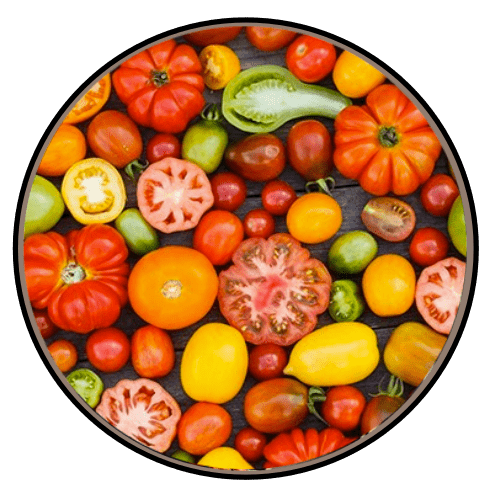
The tomato is one of the most iconic ingredients in Italian cuisine. From a simple pasta to complex regional dishes, it plays a central role in defining the identity of Italian food.
In reality, the tomato is not just an ingredient. It is a reflection of territory, seasonality, and culture.
At the beginning, it was not even food.
A Fruit That Became Italian
There is a moment, usually in summer, when you cut into a tomato and everything changes.
The smell is deeper.
The texture softer.
The taste finally alive.
And in that moment, you realise something simple. The tomato you thought you knew is not the same thing.
What is now considered one of the strongest symbols of Italian cuisine did not start here. It comes from South America and arrived in Europe after the Columbian Exchange.
At the beginning, it was not even food.
In 1544, the botanist Pietro Andrea Mattioli described it as “pomi d’oro”, golden apples. Something beautiful, but uncertain.
“Si mangiano fritti nell’olio, con sale e pepe”
“They are eaten fried in oil, with salt and pepper.”
— Pietro Andrea Mattioli
Even then, someone had already started experimenting.
Only between the 17th and 18th centuries did tomatoes begin to enter kitchens, especially in Southern Italy. The climate, the soil, and the culture allowed them to evolve into something more.
By 1790, Vincenzo Corrado was already writing about tomato-based preparations, marking an important step in its culinary integration.
And slowly, without noise, the tomato stopped being foreign.
It became Italian.
Not All Tomatoes Are the Same
If there is one thing worth understanding, it is this: there is no such thing as “just a tomato”.
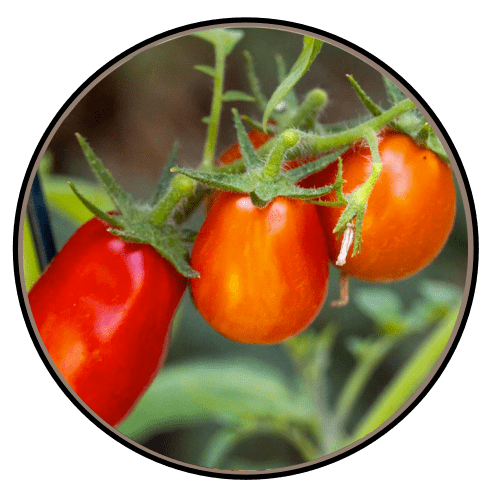 A San Marzano tomato carries the depth of volcanic soil near Naples. It dissolves into sauces, leaving behind balance and intensity.
—
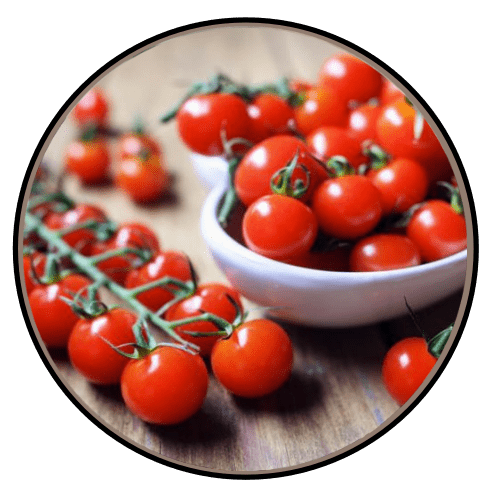
A Pachino tomato reflects the sun of Sicily. Sweet, small, almost bursting, it needs very little intervention.
—
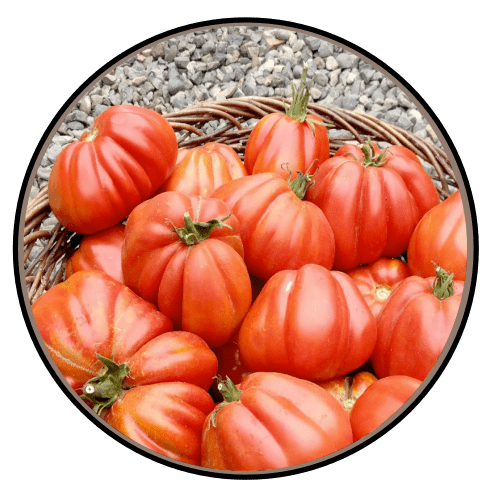
A cuore di bue is irregular, imperfect, full of water and life. It is made to be eaten raw, simply.
—
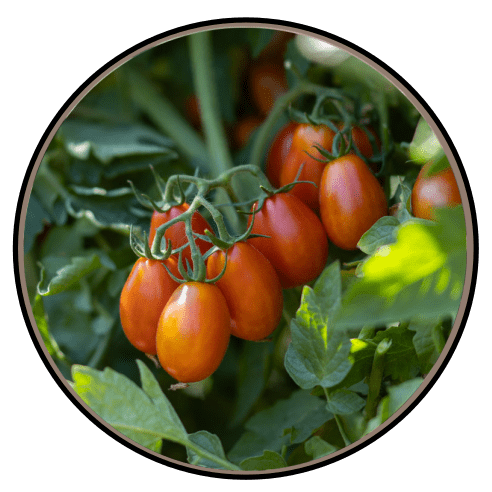
A datterino is softer, rounder in flavour, naturally sweet and versatile.
—
These are not just varieties. They are territories.
And institutions like the European Commission work to protect this connection between product and place, preserving identity and quality.
Season Changes Everything
There is a reason why the best tomato you’ve ever eaten was probably in summer.
Tomatoes belong to a specific moment of the year. Between late spring and early autumn, they grow under the sun, slowly developing sweetness, acidity, and complexity.
Outside of that time, something is missing.
They are harvested too early.
They travel too far.
They look perfect, but they taste empty.
According to the Food and Agriculture Organization, tomatoes are among the most cultivated crops in the world, but large-scale production often prioritises durability over flavour.
Seasonality is not a limitation.
It is a guide.
Simplicity Is the Real Technique
Italian cuisine does not try to transform the tomato. It allows it to speak.
A pasta al pomodoro is not about complexity. It is about timing, balance, and the quality of the ingredient.
A pizza Margherita, created in Naples in 1889, is made of very few elements, yet remains one of the most powerful expressions of Italian food.
A bruschetta is nothing more than bread, garlic, olive oil, and tomato.
When the ingredient is right, nothing else is needed.
What the Tomato Teaches
The tomato is history. And it is simplicity.
It reminds us that what we often call tradition is, in reality, the result of movement. Of journeys. Of encounters between cultures.
The tomato did not start in Italy. It crossed oceans, adapted to new land, and was slowly transformed by a different culture until it became something we now consider essential.
And this is true for so much of what we eat.
Food has always been fusion.
Not a modern trend, not a creative concept, but something that has existed from the very beginning.
Ingredients travel. People adapt them. Cultures reshape them.
What we call tradition is often just the result of time passing.
The tomato teaches us that identity in food is not about purity, but about evolution.